

true self : ค้นหาหนังสือธรรมะ หน้า 2 / 8
หน้าหนังสือทั้งหมด
15
Self-Training and Endurance in Family Life
Those who have full knowledge, ability and goodness
must follow only this path in order to train themselves to keep
up with the world and its people, and not surrender to
defilements.
Surely, if you f
This text emphasizes the significance of self-training and self-control in leading a fulfilling life. By acknowledging the need to change negative habits, individuals can foster a healthier family env
25
The Four Problems in Marriage
Part One: Family Life
These are: Truthfulness (Sacca), Self-Control (Dama),
Endurance (Khanti), and Sacrifice (Caga). When lacking in
any of these principles, conflict or discord will arise in any
hum
Part One: Family Life highlights four essential principles for maintaining healthy relationships: Truthfulness (Sacca), Self-Control (Dama), Endurance (Khanti), and Sacrifice (Caga). Conflict within f
184
Glossary of Key Concepts in Buddhist Philosophy
Part Seven: Appendixes
Glossary
Anattata: Non-self; nothing in the world has implicit
identity
"There is nothing out there, not even our bodies, which
we can control. Thus, it is not distinctly ours.
This glossary provides definitions for key Buddhist concepts such as Anattata (non-self), Aniccata (impermanence), and Bhavana (meditation). It emphasizes the understanding that nothing possesses a pe
142
Self-Responsibility and Social Development in Buddhism
Suzanne Jeffrey
And that’s where we close the circle. We do it for ourselves because we have to develop ourselves before we can develop anything else … but everything about us affects all of the peop
The text discusses the necessity of self-development before aiding others, emphasizing self-responsibility post-birth. It highlights the crisis of independence and the importance of moral boundaries i
78
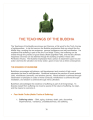
The Teachings of the Buddha
The Teachings of the Buddha
The Teachings of the Buddha are known as Dhamma, a Pali word for the Truth, the law of righteousness. In his first sermon the Buddha emphasized that one should live the Mi
The Teachings of the Buddha, known as Dhamma, emphasize the Middle Way, avoiding extremes of indulgence and self-mortification. Central to Buddha's teachings are the Four Noble Truths, which acknowled
40
The Futility of Self-Mortification
Commentorial Metaphors: Self-mortification:
1. Sugar-cane juice and poison: It can be compared to a mixture of sugar-cane juice and poison. In the end such practices will lead to death, and all for no
This text presents a series of metaphors illustrating the perils of self-mortification. Comparing self-harm to poison, stale excrement, and dangerous leaps, it highlights the futility of such practice
197
The Middle Way: Buddha's Revolutionary Teaching
tered to liberate themselves from suffering, but because the strongest spiritual trend of the time was the practice of self-mortification, many went astray or perished in their quest. Having tormented
This text discusses the historical context of the Buddha's teachings, emphasizing how many were misled by the practice of self-mortification in their quest for liberation from suffering. It highlights

132
The Significance of Ordination in Buddhism
The contest serves to emphasise the aim and ideals of ordination, which is a realisation of Nibbana
and the self-discipline of following the principles of maintaining the precepts, pursuing meditation
The contest emphasizes the ideals of ordination, signifying the pursuit of Nibbana and the self-discipline required to maintain precepts, meditate, and attain wisdom. Practitioners can inspire others
128
Mappings with a Dharma Master
Mappings with a Dharma Master
we first start with our own individual self and then work outward in all directions.
“The six directions start with the smallest unit, ourselves. We are in the center o
The text discusses the importance of individual self-awareness and ethical behavior in shaping relationships and society. It emphasizes that one must start with self-improvement through meditation and
229
The Journey to Inner Happiness through Meditation
Wisdom
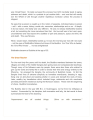
sphere provided warmth, safety and peace. If
I kept my mind focused on each crystal ball, I
could feel the happiness increasing in my body.
It was as if an invisible “happiness cloak” had
been
In this enlightening text, the author shares a personal meditation experience involving crystal balls that symbolize warmth and joy. As the author meditates, they describe feeling an 'invisible happin
77
The Enlightenment of Siddhattha Gotama
…ferent. He was not simply siddhartha Gotama at all, but something far more marvelous than that. His true self was in fact vast, open, unconditioned and was beyond the dualities of pain and pleasure, space and …
…ha. At dawn, he perceived the universe anew, transcending worldly attachments and understanding his true self as something vast and unconditioned, which he identified as Nirvana. Following his enlightenment at…
219
The Pursuit of True Happiness
…re
complex issues. And it would only get worse
rather than better, in terms of losing control
of my true self. Money accumulated in bank
accounts will eventually just become a game
of 'numbers'.
219
I also fee…
…vancement, realizing that it often leads to greater responsibilities and a disconnection from one's true self. The pursuit of material wealth serves only as a fleeting distraction, driving a cycle of desire. T…
63
Understanding Paccekabuddhas in Buddhist Philosophy
V. Reference 2: Dhammakāya and Paccekabuddhas
A Paccekabuddha is counted as one of the two types of Buddhas. According to Buddhist philosophy, a Paccekabuddha is a person who is of the highest wisdom
This text discusses the concept of Paccekabuddhas, individuals of high wisdom who achieve self-enlightenment but lack the ability to teach. It explores scholarly arguments about the pre-Buddhist origi
97
The Power of Inside Meditation
Suzanne Jeffrey
"When I was first starting out, before I met Luang Por Dhammajayo, I used to meditate on the outside, not the inside. This is a very powerful meditation, but I learned that it is not
… leading to lost energy. The text discusses how our growth leads to external perceptions, obscuring true self-awareness. Meditation serves as a cleansing process, brightening the mind and revealing our true na…
111
Understanding the Dhammakāya in Insight Meditation
called the ‘Coarse Dhammakāya Arahant’ or the ‘Subtle Dhammakāya Arahant’ — the latter two being the bodies of enlightenment of the arahant. The Dhammakāyas are all transcendental [lokuttara] in natur
This text delves into the concept of Dhammakāya Arahant, distinguishing between the Coarse and Subtle Dhammakāya. It explains that these bodies are transcendental and consist of pure aggregates that a
112
Understanding the Dhamma Body and Overcoming Mental Defilements
…he point of liberation from those things, and attaining permanence [niccaṃ], happiness [sukhaṃ] and true self [attā] — a true self that is the embodiment of happiness (with no trace of suffering) and unchangab…
The passage discusses the limitations of human senses in perceiving mental defilements such as greed, hatred, and delusion. It highlights the importance of the Dhamma Body in providing insight into th
195
The Quest for True Happiness
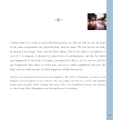
I believe that if we look at each individual person, we will see that we are all made of the same components: our physical body and our mind. We can favour our body by giving it beverages, food, and t
This text discusses the connection between individual well-being and happiness, emphasizing the necessity of balancing the physical body and the mind. It questions whether superficial pleasures lead t
94
90 Benefits of Meditation
90 MEDITATION BENEFITS
lived to be true ten thousand years ago should still be true today and should remain true ten thousand years from now.
Knowledge gained from meditative insight is based on rea
Meditation offers profound insights that connect us to our true essence and spiritual nature. It generates 'merit,' which is a form of positive energy originating from good deeds. Merit is essential f
77
Addressing Family Issues for Child Development
Part Three: Problems Within the Family
towards their happiness, spoiling our children neglects their
important emotional and spiritual growth. Spoiled children
usually end up more unhappy in the long-
Part three discusses the critical issues faced within families when children are spoiled, leading to unhappiness and self-destructive behaviors. It emphasizes the role of parents as teachers in guidin
46
Journey to Joy
Journey to Joy
46
46
universal love, the love of all of humankind
without expectation of reward or gain.
To love ourselves in the appropriate way,
we have to still the mind by relaxing and gently
clos
In this chapter, the focus is on cultivating universal love and self-love without expectations. By relaxing the mind through meditation, individuals can achieve inner peace and a sense of cleansing th